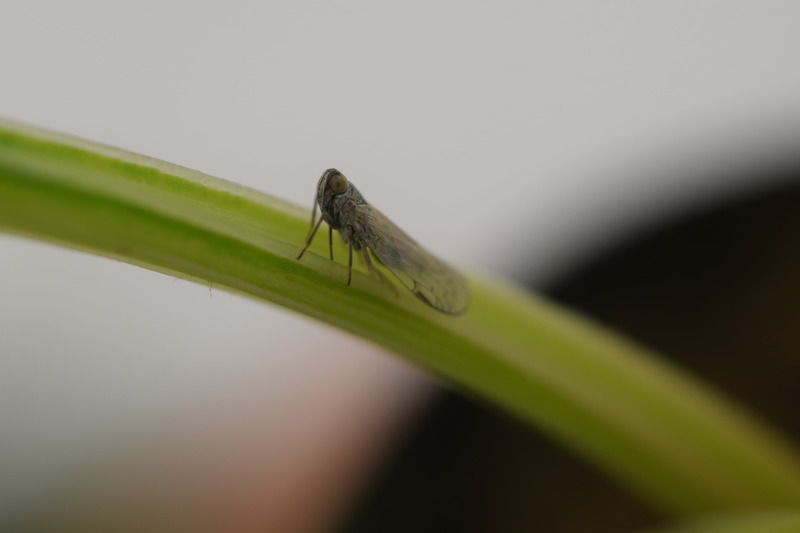
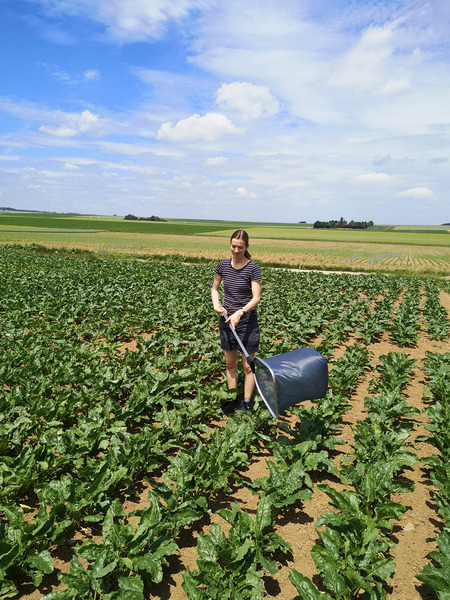


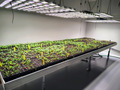
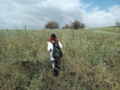
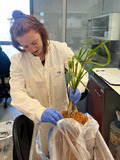
Syndrome basses richesses (SBR) is a disease that affects sugar beet and poses a critical threat to the European sugar beet production. In June, PRO-WILD partners at the Institut für Zuckerrübenforschung (IfZ) were out in the field to catch planthoppers. The planthoppers were then used in glasshouse trials to inoculate wild relatives of beet with SBR-associated bacteria. With these trials, the researchers investigate how SBR affects different species of wild beet, looking for disease-resistant variants, ultimately using their findings to strengthen the sugar beet production.
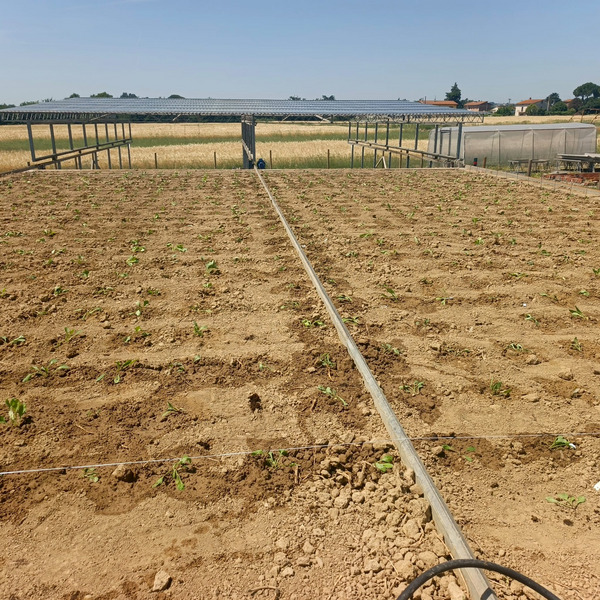
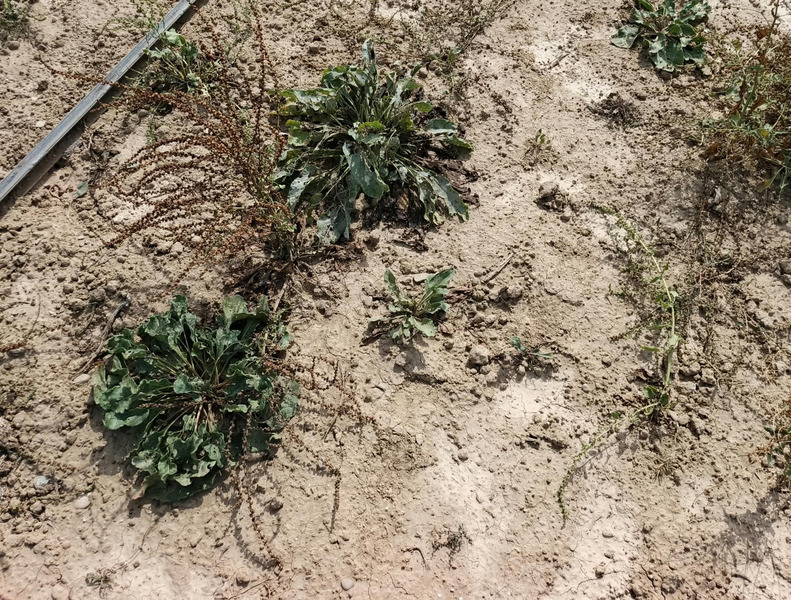
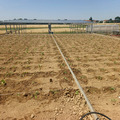
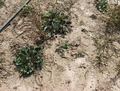
In Italy, PRO-WILD researchers from the University of Perugia (UNIPG) were also out in the field. At the beginning of summer, they set up an automated rain shelter and irrigation system to study drought tolerance in wild beet species. The effect of the drought stress is clearly visible in the pictures which were taken in September, at the end of the water stress period. Now it is time to assess the data, looking for interesting results!
While many parts of Europe were sweating in the intense summer heat, some beets in Greece were shivering. PRO-WILD not only focuses on water scarcity and heat as an abiotic stress factor, but also at the tolerance of crops to cold temperatures. For this, researchers at ELGO set up a trial where they investigated the response of wild beet relatives to cold stress. The initial results were encouraging, showing again the potential of crop wild relatives for a climate-resilient food production.
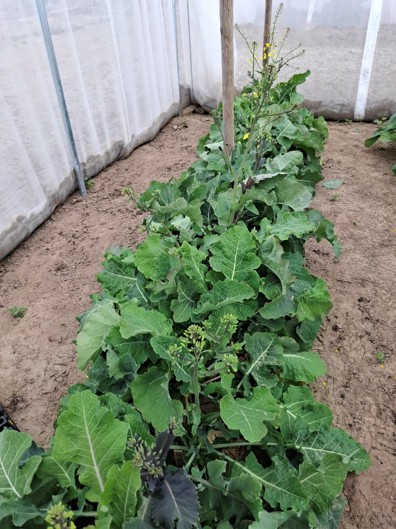
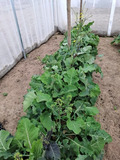
At KWS, INRAE and Innolea, PRO-WILD partners investigate the potential of wild Brassica species to enhance the resistance of oilseed rape, a cultivated Brassica species, against cabbage stem flea beetles and clubroot disease. To integrate beneficial traits from a wild Brassica species into oilseed rape, the plants need to be crossed. One requirement for this is the synchronized flowering of both species. Researchers from PRO-WILD use forced vernalization to facilitate this process in Brassica. In a practice abstract that was published earlier this year, they describe the method. Currently, they work on overcoming additional molecular crossing barriers that present a major challenge for using the genetic potential of CWRs.
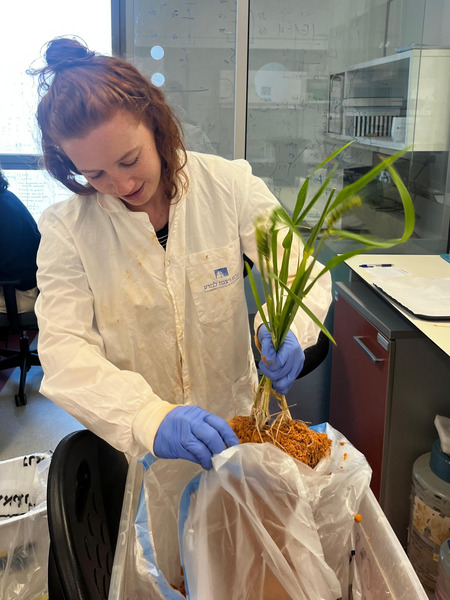
Finally, the PhD students from PRO-WILD were also busy this summer. Adele Tironi from UNIPG was out in the field, conducting experiments on drought stress in wild beets using the rain shelter system mentioned above. Meanwhile, Dana Bar-Zvi from the Weizman Institute was growing 40-year-old seeds of wild emmer wheat in the net-house and collecting samples from natural emmer wheat at its original location. She will sequence and analyse these historical and contemporary populations of wild emmer wheat to investigate their genetic diversity and contribute to their in-situ and ex-situ conservation. In the laboratory at the Weizman Institute, Sharon Samuel was also conducting experiments. She is studying the rhizosphere microbiome of crop wild relatives alongside modern wheat lines to identify beneficial relationships between microbes and plants to harness these interactions for future wheat improvement.
Now that the autumn months have started, some exciting events are coming up. Next week, the EUCARPIA – Seeds of Resilience Conference 2026 takes place in Malmö. Scientists from PRO-WILD will also be present and share insights from their work on crop wild relatives. At the end of November, the whole PRO-WILD consortium will meet in Norwich to hold their second annual project meeting. We look forward to seeing all those who are contributing to the PRO-WILD project again and to having a fruitful exchange!
If you want to find out more about these experiments and events, you can have a look at our social media pages. On LinkedIn, we will share updates on PRO-WILD research, experiments, events and other news. Stay tuned!
 tap and then scroll down to the Add to Home Screen command.