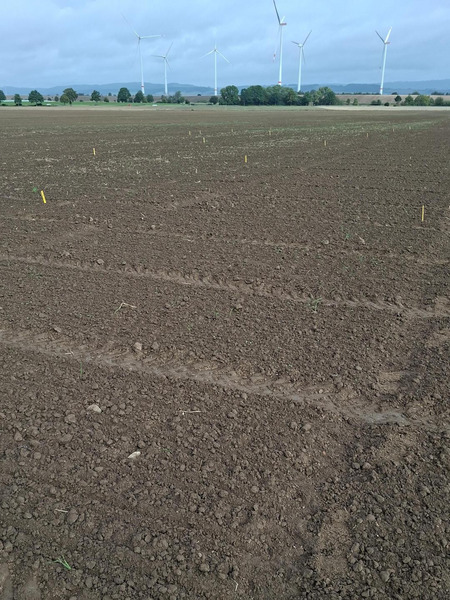
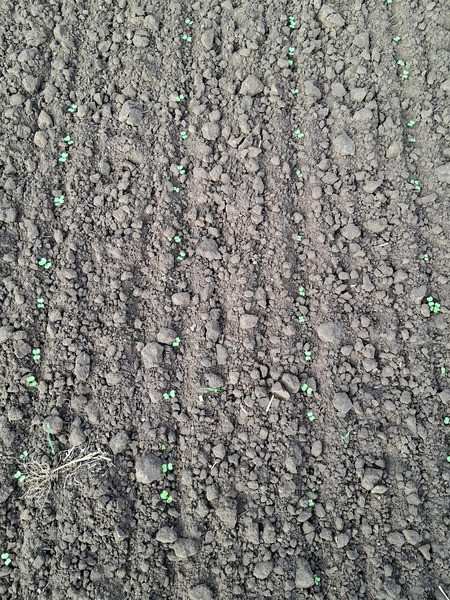

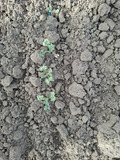
In early September, new field trials were set up at KWS in Germany and at Innolea in France. Overall, 40 different doubled haploid Brassica lines, generated in a previous collaborative project involving INRAE and Innolea, were sown in five different locations. These lines were derived from crosses between AVISO, an oilseed rape variety, and eight different accessions of wild Brassica oleracea.
The field trials aim to assess cabbage stem flea beetle (CSFB) damage and examine two questions. Firstly, whether resistance has been transferred from any of the eight original B. oleracea and secondly, which part of the genome from B. oleracea is likely to determine this resistance.
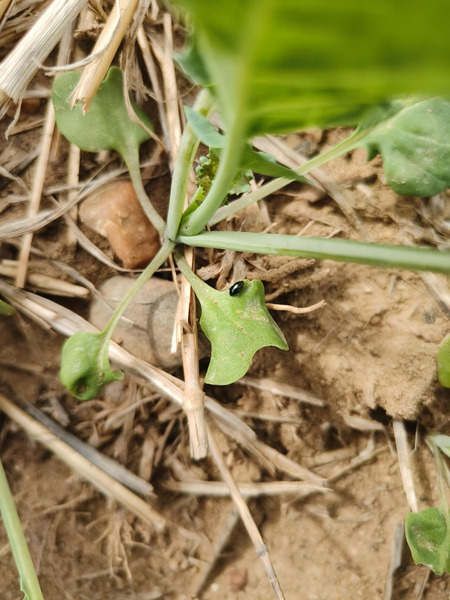
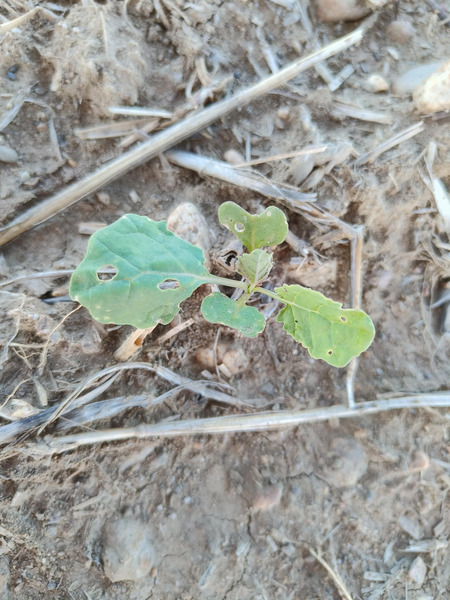
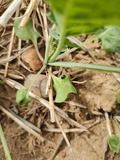
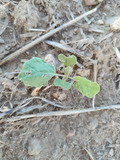
Brassica plants on the trial plots were closely monitored in the first few weeks after emergence. During this period, the plants are particularly vulnerable to the adult CSFB that feed on the cotyledons and the first leaves. If the damage is too severe, the seedlings may not recover.
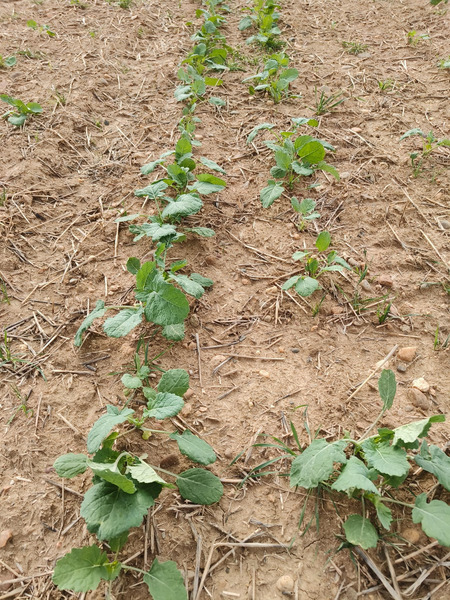
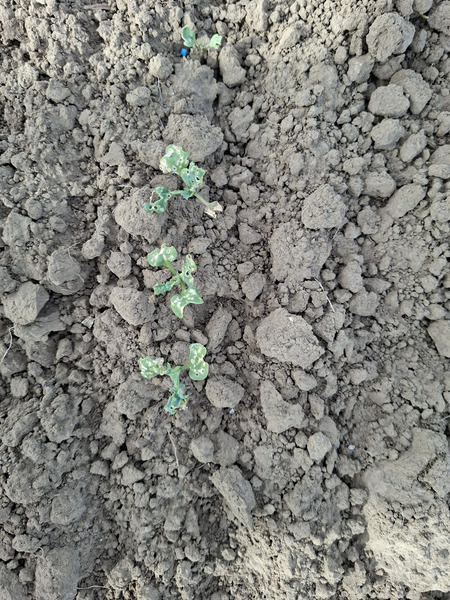
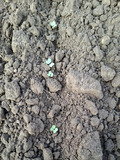
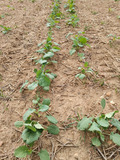
First photos of the trial plots at KWS and Innolea show the early emergence of the plants at the beginning of September, where only little damage was observed due to low CSFB infestation. But photos taken later in September from the plots at KWS show clear signs that adult cabbage stem flea beetles have fed on the seedlings.
Once a plant has developed true leaves, it can compensate for most of the feeding damage caused by adult beetles. However, as the season continues, the adult CSFB will lay eggs on the soil. Afterwards, CSFB larvae developing from these eggs will penetrate the Brassica plants to feed inside the stem, again harming the plant.
The Brassica plants will therefore continue to be monitored throughout the field trial to investigate the impact of the CSFB larvae as they mine their way through the petioles and stems. Stay tuned for further updates from these Brassica trial plots!
 tap and then scroll down to the Add to Home Screen command.